
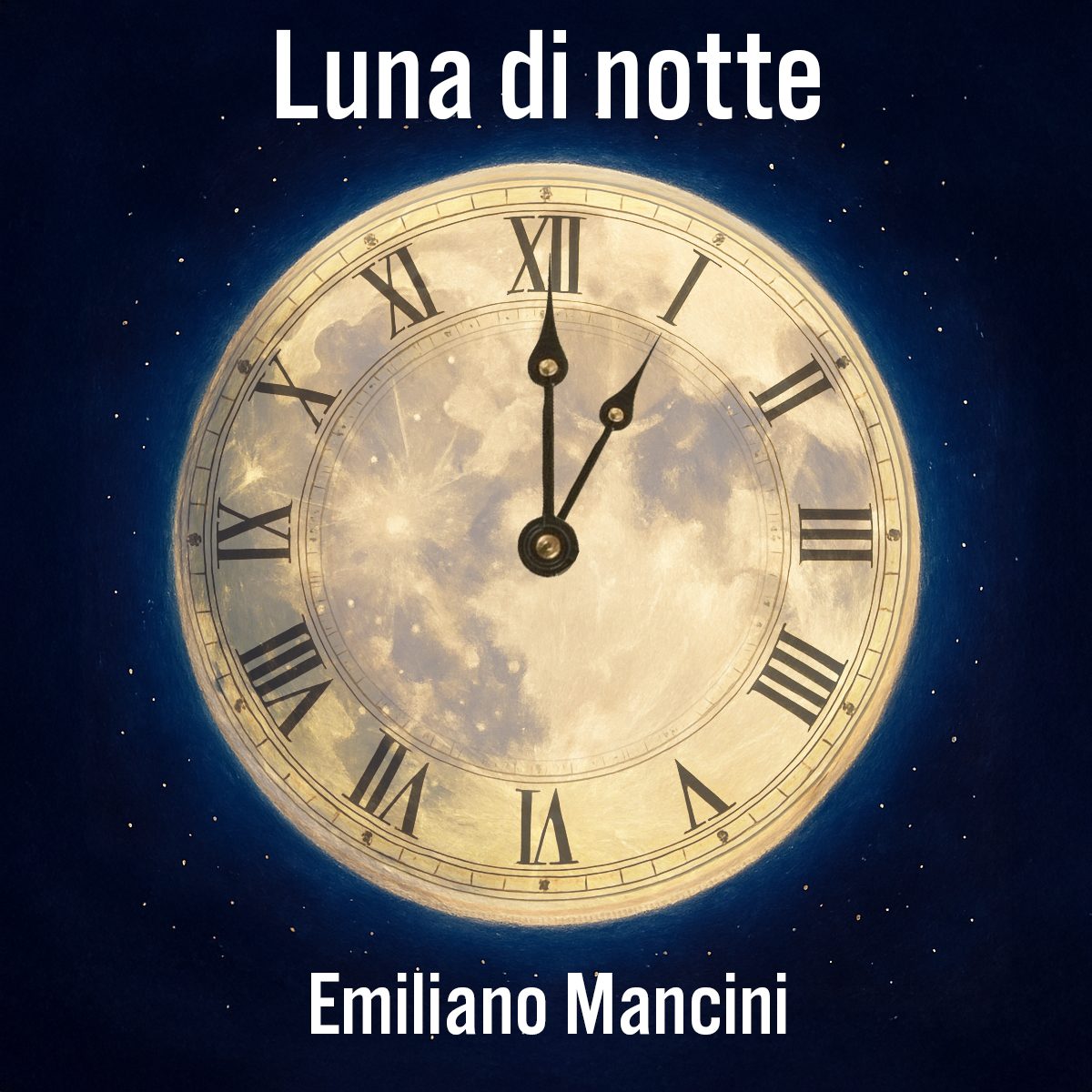
L'una di notte
È l'ora perfetta
Per andare a mignotte
Dopo una cenetta che ha preparato tua moglie
Ma hai altre voglie
Come sentirti il padrone
Del corpo di un'altra
All'una di notte c'è gente che fotte
e altra che piange inventandosi scuse
a cui credere
A cui cedere
Tu luna di notte non farmi vedere
quel che coscienza io debba sapere
meglio credere
Devo cedere
L'una di notte
E l'altra di giorno
Per passioni ghiotte
O solo un contorno
Luna di notte
Illumina il cielo
Per sempre coperto
Da un lurido velo
All'una di notte c'è gente che fotte
all'una di notte c'è gente che soffre
tu luna di notte non farmi vedere
Perché all'una di notte c'è chi se ne fotte
che all'una di notte c'è gente che soffre
tu luna di notte non farmi vedere
All'una di notte
Ci aspettan le botte
Per cantare canzoni
Rompendo i co...
All'una di notte c'è gente che fotte
e altra che soffre inventandosi scuse
a cui credere
A cui cedere
Tu luna di notte non farmi vedere
quel che incoscienza io debba sapere
meglio credere
Devo cedere
Here, I wanted to play with the pun between "l'una" (one o'clock) and "luna" (moon).
The message is a critique of betrayal and the objectification of people.
It’s the perfect hour
to go to whores
after a nice little dinner prepared by your wife.
But you have other cravings,
like feeling like the master
of someone else's body.
and others crying, making up excuses
to believe in,
to give in to.
what my conscience needs to know;
it’s better to believe,
I must give in.
and the other by day (l'altra - In Italian, "L'una" means 1 AM, but "l'una e l'altra" means "one and the other", referring here to two different women, lives, or faces: the wife by day, the prostitute by night)
for greedy passions,
or just a side dish.
illuminate the sky,
forever covered
by a filthy veil.
at one AM, there are people suffering.
You, moon of the night, don't show me.
while at one AM, there are people suffering.
You, moon of the night, don't show me.
beatings await us,
to sing songs,
breaking other people's ba... (The text leaves the word "coglioni"—meaning testicles/balls, but used idiomatically in phrases like "breaking one's balls" to mean "being annoying"—unfinished. In Italian, cutting it off as "ba..." perfectly mirrors this sudden censorship.)
and others suffering, making up excuses
to believe in,
to give in to.
what unconsciousness (Notice the subtle structural shift: in the first chorus it was "coscienza", conscience, while here it becomes "incoscienza", recklessness or lack of awareness. The speaker's moral filter is completely deteriorating as the night goes on) I need to know;
it’s better to believe,
I must give in.